Top 5 Factors to Consider Before Installing an Elevator
- September 3, 2025
Introduction
Elevators are no longer just a luxury; they are a necessity for various buildings. Putting in an elevator doesn’t just improve ease of use; it also enhances accessibility, property worth, and contemporary attractiveness.
However, before investing in an elevator, potential buyers should carefully consider a few important factors. Making the correct choices today, from safety requirements to long-term maintenance, could save you time, money, and problems down the road.
Here are the top 5 things to think about before you install an elevator.
1. Space and Location Needs
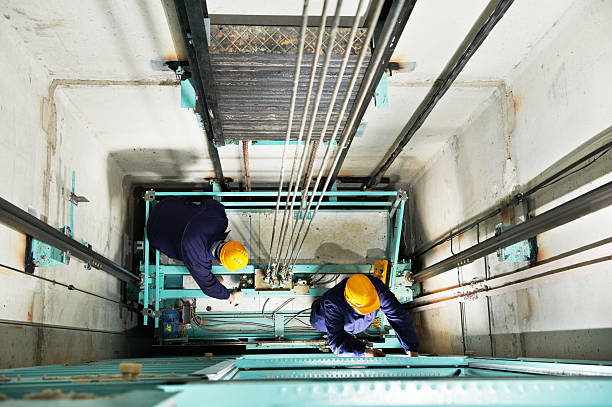
One of the first things to assess before installing an elevator is the available space. Different lift types need different shaft, pit, and overhead clearances.
- Passenger Lifts: Require more cabin space and a suitable shaft.
- Home/Residential Lifts: Compact designs can be found for limited spaces.
- Service/Goods Lifts: Need larger capacity and stronger structures.
👉 Work with your architect and elevator supplier to ensure that your building design can accommodate the kind of lift you pick.
2. Safety Standards and Rules
Elevator safety should always come first. Buyers must make sure the lift satisfies local and global safety regulations, such as:
- IS 14665 (India)
- EN 81 (Europe)
- ASME A17.1 (USA)
Also, check for crucial safety features like overload sensors, door protection, emergency alarms, and automatic rescue devices (ARD).
👉 A safe elevator means assurance for passengers and compliance with building codes.
3. Budget and Installation Cost
The cost of installing an elevator depends on several aspects:
- Type of elevator (passenger, home, service, hydraulic, machine-room-less)
- Capacity and size
- Design and interior finishes
- Installation difficulty
In addition to installation, take annual maintenance charges (AMC) and long-term energy consumption into account.
👉 A greater initial investment in a quality elevator can save costs on repairs and downtime later.
4. Aesthetic Design and User Experience
Elevators are more than just functional; they also influence the building’s interior design and the user experience.
- Luxury apartments and hotels: Select fashionable interiors with mirrors, lighting, and stainless steel finishes.
- Commercial areas: Choose professional, sturdy designs.
- Home lifts: Compact and customizable choices that match interiors.
👉 A well-designed lift improves both ease of use and the general property value.
5. Maintenance and After-Sales Support
Elevators require routine maintenance to ensure safety and dependability. Before buying, examine:
- Availability of annual maintenance contracts (AMC)
- Response time for breakdowns and emergencies
- Access to authentic spare parts
- Service provider reputation
👉 A trusted elevator company with strong after-sales service guarantees smooth operation for years.
Conclusion
Installing an elevator is a big investment that affects both daily ease of use and long-term property worth. By taking into account space, safety, cost, design, and maintenance, buyers can make informed decisions and avoid costly mistakes.
Whether for a residential home, apartment building, or commercial space, picking the correct lift with the correct provider ensures safety, dependability, and comfort for everyone.
Recent Post
Service Lifts vs Passenger Lifts: Which One Do You Need?

Elevator Safety Standards Every Buyer Should Know