
Service Lifts vs Passenger Lifts: Which One Do You Need?
- September 3, 2025
Introduction
When planning a building, elevators are no longer optional – they’re essential. Yet, not all lifts are the same. Deciding between a service lift and a passenger lift hinges on your building’s intended use. While both enable vertical movement, their design, characteristics, and operation are completely different.
What is a Passenger Lift?
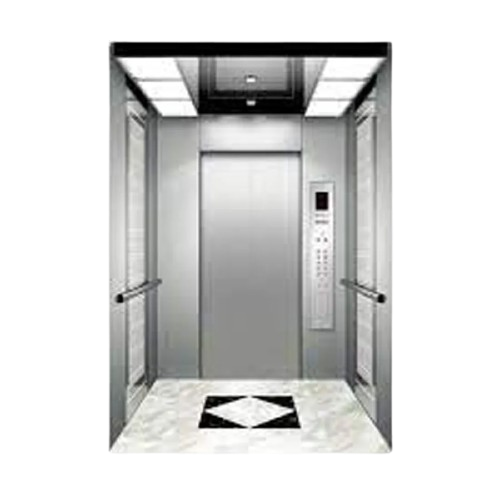
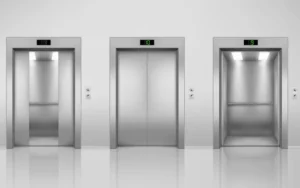
A passenger lift, also known as a passenger elevator, is created for the smooth, safe, and comfortable transport of individuals between floors. These are typically seen in:
comfortably between floors. These are commonly used in:
Residential apartments
Office complexes
Shopping malls
Hotels and resorts
Hospitals
Features of Passenger Lifts:
Sleek and aesthetic interiors (mirrors, lighting, stainless steel)
Smooth and quiet operation
Capacity: 4–20 passengers depending on size
Essential safety features (emergency alarms, intercoms, automatic doors)
Prioritizes comfort and ride experience
Passenger lifts focus on passenger convenience and safety, making them ideal for public-facing spaces.
What is a Service Lift?
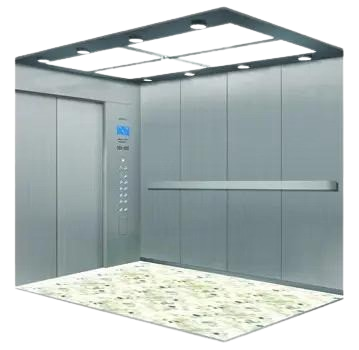
A service lift, also referred to as a goods lift, is designed to transport equipment, materials, or heavy loads rather than people. They’re crucial in:
Warehouses and factories
Hotels and restaurants (for laundry, supplies, or food trays)
Hospitals (for equipment, stretchers, and supplies)
Corporate offices (to discreetly move furniture, files, or pantry items)
Features of Service Lifts:
Strong, durable construction
Simple interiors (no luxury finishes)
Load capacity ranges from 50 kg to several tons
Built for efficiency and heavy-duty use
Usually placed in service corridors or back-end areas
Service lifts prioritize functionality over comfort, ensuring goods are moved efficiently without disturbing passengers.
Service Lifts vs Passenger Lifts: Key Differences
| Feature | Passenger Lift | Service Lift |
|---|---|---|
| Purpose | Designed to carry people | Designed to carry goods/materials |
| Design | Stylish, aesthetic interiors | Plain, rugged interiors |
| Capacity | 4–20 passengers | 50 kg to several tons |
| Experience | Smooth, comfortable, safe ride | Prioritizes durability and efficiency |
| Placement | Public-facing areas (lobbies, reception) | Service areas (back corridors, storage) |
| Durability | Moderate daily passenger use | Heavy-duty continuous use |
What Kind of Lift is Best for Your Needs?
- Apartment Buildings: Passenger elevators are vital for those living there, particularly the elderly and families.
- Hotels and Restaurants: Both types are needed—passenger elevators for patrons, and service elevators or dumbwaiters for employees and items.
- Hospitals: Passenger elevators for patients and visitors, and service lifts for medical tools and gurneys.
- Warehouses and Factories: Service elevators are a necessity to move items and equipment.
- Office Buildings: Passenger elevators for workers and guests, and service elevators for maintenance, supplies, and operations.
Conclusion
The best choice, between service and passenger elevators, totally depends on the building’s purpose. When carrying people, ease and safety are essential—making passenger elevators vital. For items and heavy loads, service elevators are crucial for effectiveness.
In many recent projects, both types are the answer—passenger elevators for guest areas and service elevators for less visible functions.
If you’re starting a new project, get advice from a professional elevator solutions specialist to figure out the proper type, size, and arrangement for what you need.
Recent Post
Service Lifts vs Passenger Lifts: Which One Do You Need?

Elevator Safety Standards Every Buyer Should Know