Elevator Safety Standards Every Buyer Should Know
- September 3, 2025
Introduction
Elevators are a staple of contemporary buildings—apartments, commercial buildings, shopping centers, and hospitals all rely on them for convenience and access. Although speed and aesthetics are frequently given priority, safety should always come first.
If you’re thinking about purchasing or installing an elevator, grasping elevator safety standards is essential. These standards not only ensure adherence to rules but also guarantee passenger safety, efficient operation, and long-term dependability.
Here’s a thorough guide to the critical safety standards every buyer should be aware of.
1. Global Elevator Safety Protocols
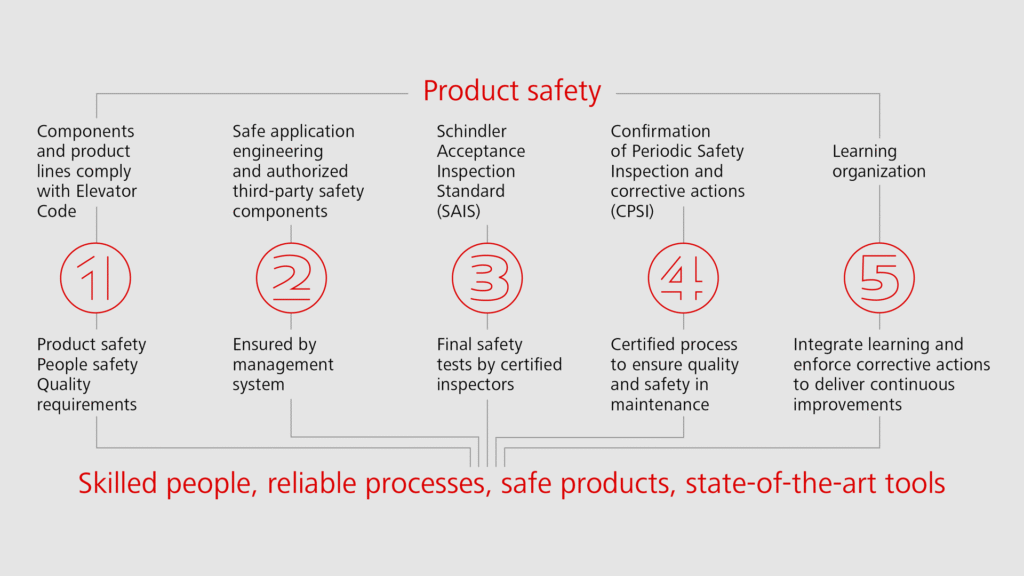
Elevators worldwide adhere to particular safety guidelines to ensure consistency and dependability. Some of the most widely recognized standards include:
- EN 81 (Europe): Covers passenger and freight lifts, focusing on construction, design, and safety rules.
- ASME A17.1/CSA B44 (USA & Canada): The most commonly used code for elevator safety in North America.
- ISO 25745: Standards for energy efficiency and sustainability in lifts.
- IS 14665 (India): Indian Standards for lift installation, operation, and safety measures.
👉 When purchasing a lift, always verify if it complies with regional or international safety codes.
2. Key Elevator Safety Elements
Modern elevators include sophisticated safety systems to safeguard passengers during regular usage. Buyers should confirm that the lift includes:
- Emergency Alarm & Intercom: Allows passengers to request assistance during emergencies.
- Automatic Rescue Device (ARD): Guarantees the lift reaches the closest floor during a power outage.
- Door Sensors: Prevent doors from closing if an object or individual is in the way.
- Overload Sensor: Alerts when the lift surpasses safe capacity.
- Brake & Speed Governors: Prevent uncontrolled movement and ensure smooth braking.
- Seismic & Fire Safety Features: In high-rise or sensitive buildings, elevators must be protected against natural disasters and fire threats.
3.Standard Maintenance & Inspection Routines
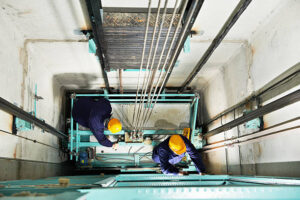
Even the finest lift is only as safe as its maintenance. Buyers should demand:
- Periodic Safety Inspections: Monthly or quarterly inspections by certified technicians.
- Annual Third-Party Audits: Independent evaluations to guarantee compliance.
- Proper Record Keeping: Maintenance records that document repairs and safety tests.
- Regular maintenance keeps elevators safe, dependable, and compliant with regulations.
4.Accessibility & User Safety Standards
Elevators should not only be safe—they should also be accessible to everyone. Important standards include:
- Wheelchair-Friendly Design: Suitable cabin size and controls at an accessible height.
- Braille Buttons & Voice Announcements: For users with visual impairments.
- Handrails & Non-Slip Flooring: To prevent accidents during rides.
- Accessibility features are a legal requirement in many areas and enhance overall safety for all users.
5.The Importance of Safety Standards for Buyers
Disregarding safety standards can result in:
- Legal penalties for non-compliance
- Increased risk of accidents and liability
- Higher maintenance and repair expenses
- Negative impact on building value and reputation
By ensuring compliance, buyers protect not only passengers but also their investment and brand reputation.
Conclusion
When buying or installing an elevator, never compromise on safety. From international codes like EN 81 and IS 14665 to critical safety elements such as ARD, overload sensors, and door protection, every standard plays a crucial part in ensuring seamless, secure rides.
Prior to finalizing your elevator purchase, consult a certified lift provider who follows international and regional safety norms. After all, a safe elevator isn’t just a necessity—it’s peace of mind for every passenger.
Recent Post
Service Lifts vs Passenger Lifts: Which One Do You Need?

Elevator Safety Standards Every Buyer Should Know